Missouri lawmakers are moving to rein in elementary schools’ use of technology, debating legislation Wednesday that would cap students’ daily use of digital devices at 45 minutes.
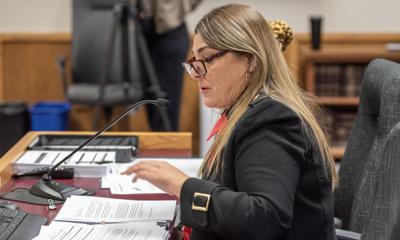
“This bill is about restoring balance, common sense and childhood to Missouri classrooms,” said state Rep. Tricia Byrnes, a Republican from Wentzville. “Before we lose another generation of students to screens.”
The House Education Committee on Wednesday raised some concerns about identical bills filed by Byrnes and state Rep. Marlene Terry, a Democrat from Bellefontaine Neighbors.
Republican state Rep. Ed Lewis of Moberly, who chairs the committee, said he thought the 45-minute requirement was “too prescriptive,” indicating that changes are likely.
“I don’t disagree that we need to address screen time,” he said. “How we do that is definitely something we have to discuss.”
Byrnes said she was willing to make edits, saying she and Terry “will work with you to get those laptops off those babies’ desks.”
As presented Wednesday, the bill would only impact kindergarten through fifth grade with a daily limit on digital instruction and a requirement that at least 70% of assignments be handwritten. It also seeks to bar schools from requiring students to bring laptops home and would mandate cursive writing instruction.
Byrnes described the legislation as a “responsible course correction,” saying schools have become too reliant on devices like iPads and laptops to provide instructional materials and assignments over the past decade.
Vanessa Whittle, an instructional technology specialist in the Waynesville School District speaking from her personal experiences, told the committee that she was a “vocal advocate” for initiatives to assign a laptop or iPad to each student 10 years ago.
While she still believes technology is beneficial in the classroom, she warns against giving students too much digital access before they are “developmentally ready.”
“Educators are seeing these trends nationwide: immediate distraction when devices are opened, difficulty disengaging from their screens, rising digital safety alerts tied to mental health and online behavior and the use of the school device as a personal device, both in and outside of school,” she said.
Whittle is one of many educators who are in favor of more hands-on learning. Otto Fajen, director of legislative advocacy for the Missouri National Education Association, said teachers are worried about students’ attention spans and support the change.
But making the switch away from virtual instruction may be challenging, he said, noting that state learning standards and testing mandates influence schools’ decision to buy laptops for students.
“They need the flexibility to not have the state push them in this direction,” Fajen said. “They need to make the decision based on best practices and what their educators seek.”
State Rep. Ann Kelley, a Republican from Lamar and former middle-school teacher, said her area’s school districts had similar concerns about testing when she asked them about the bill.
“They agree that students K-5 should not have a screen in front of them,” she said. “But what was also very common was (saying) school districts should be able to do this on their own. And then the next thing was, ‘Are we changing state testing?’”
She pointed to the cost of supplying more physical books and moving away from some of the digital textbooks and reading materials currently available.
The bill includes exceptions for “special-education needs” and assistive technology, but some worried the bill’s language was too broad and would permit schools to switch some hands-on special education to instruction on a laptop.
Tracey Bloch, director of legislative advocacy for the Missouri Disability Empowerment Foundation, said schools are increasingly turning to digital instruction and instead of hands-on support for students with disabilities.
“Many families are having their children put in front of digital instruction for specialized minutes, and their parents are very unaware of how often it has happened until it’s too late,” she said. “Then we have to file for due process.”
Diane Dragan, a special education attorney, said a switch to online special education has spurred lawsuits costing school districts up to $150,000 to litigate.
“When schools remove teacher-led instruction from special education classrooms and instead log students into self-directed online learning programs, they do a profound disservice to our students,” she said.
No one spoke in opposition to the bill during the public hearing, and the committee adjourned without taking immediate action on the bill.