Partly cloudy. High around 75F. Winds SSW at 10 to 15 mph..
Tonight
Showers and a possible thunderstorm in the evening will give way to partly cloudy skies overnight. Gusty winds and small hail are possible. Low around 50F. Winds WSW at 5 to 10 mph. Chance of rain 80%.
The shiitakes are produced using the Japanese method adapted to Missouri. The unique microclimate along Sinking Creek is similar to the mushroom cultivation regions of Japan and enables Ozark Forest Mushrooms to produce an assortment of fungi.
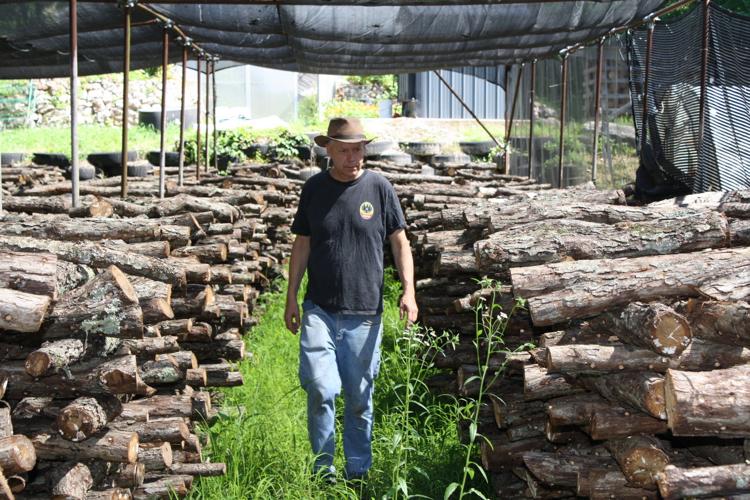
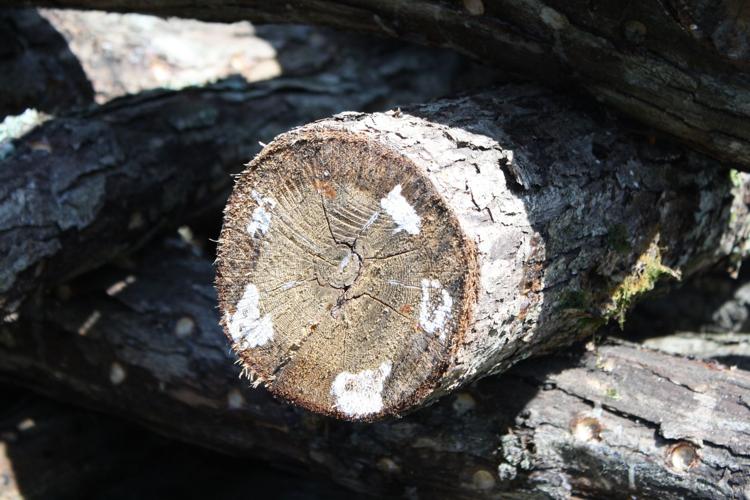
Dan Hellmuth strolls through a selection of the more than 18,000 white oak logs on which shiitake mushrooms are grown at the Timber Farms, The Sinks. Each log is individually inoculated with shiitake sawdust spawn via 35 separate drill holes. The farm produces 200 pounds of shiitakes per week.
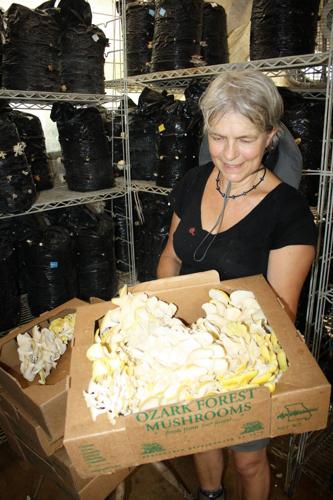
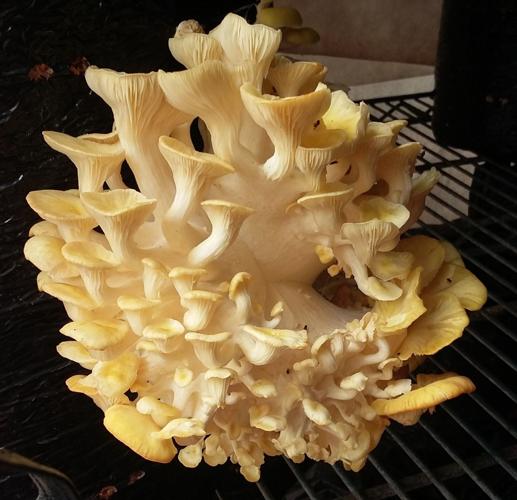
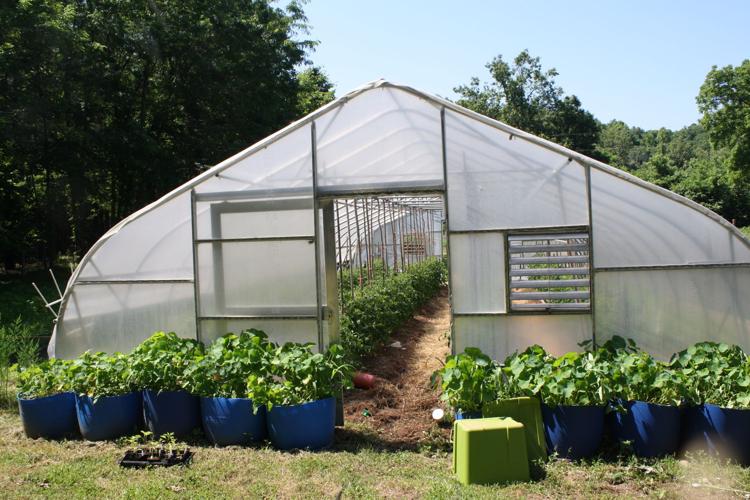
Nicola Macpherson-Hellmuth shows off some Oyster Mushrooms grown in the green house at Timber Farms, The Sinks. The farm produces around 150 pounds of oyster mushrooms and 200 pounds of shiitakes per week during the peak season.
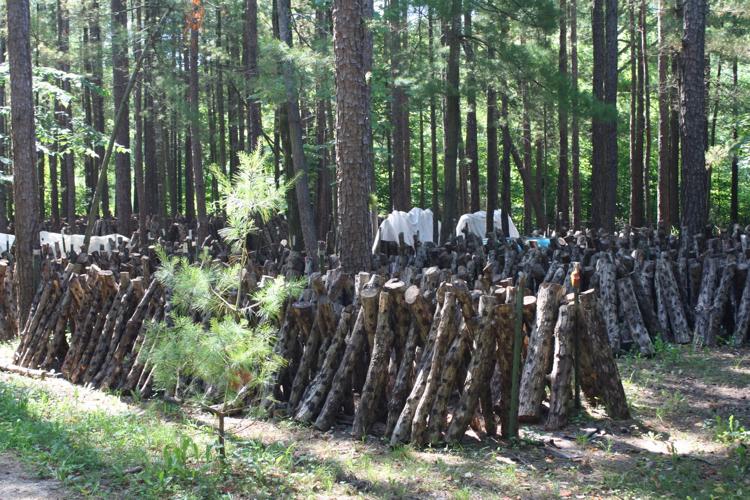
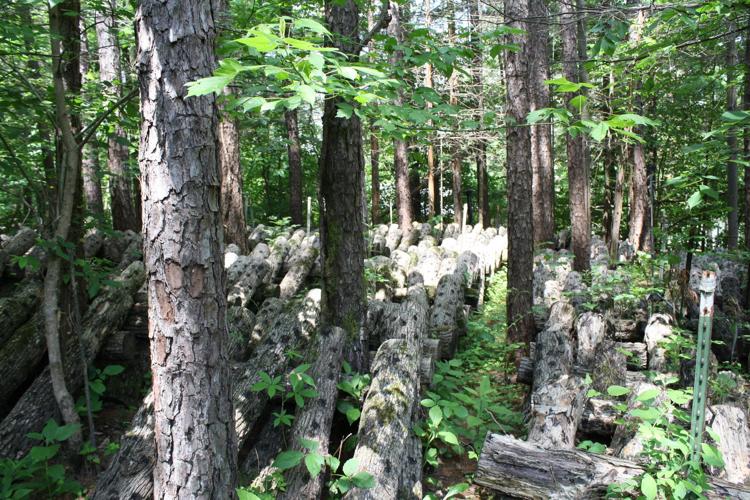
More than 18,000 white oak logs on which shiitake mushrooms are grown are housed under the shade of a pine forest. Pine forests are required for mushroom production due to a need for a year round canopy.
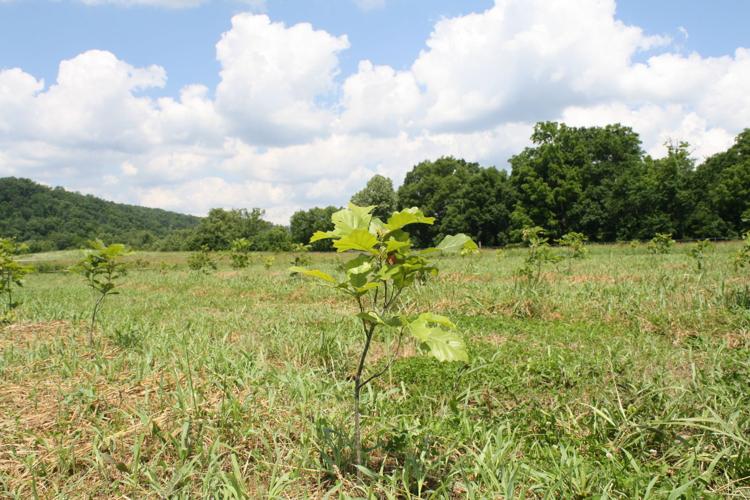
One of the most exciting experiments underway at the mushroom farm is the cultivation of burgundy truffles. Truffles are a rare fungus grown within tree roots seldom grown in the United States due to the complex symbiotic relationship between the soil, truffle, tree and surrounding climate. The farm will not find out if they’ve been successful with truffles for another eight years.
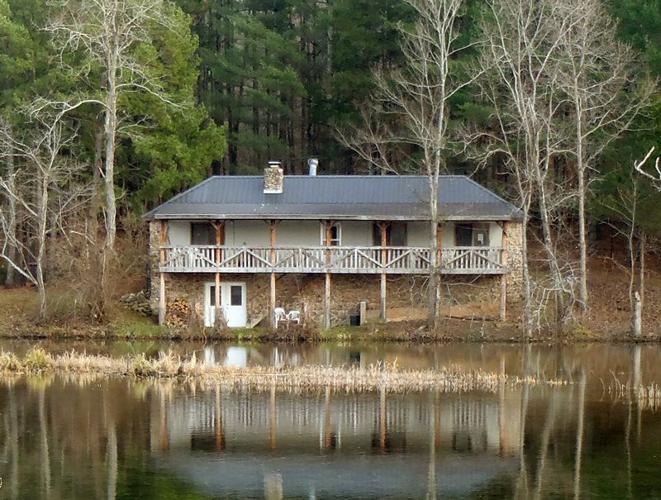
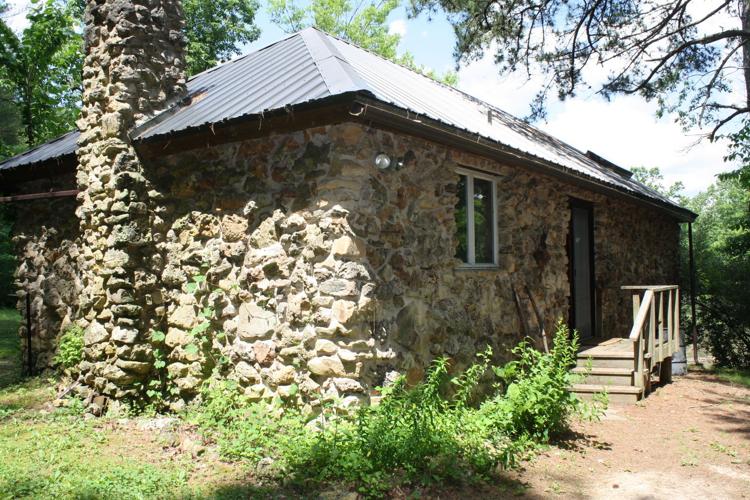
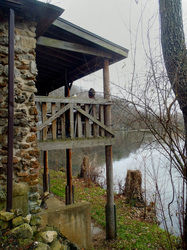
The Beaver Lake Guest House is also available to rent overlooking a large scenic spring-fed lake and located next to the former home of local artist L.L. Broadfoot. The guest house was built from stone sourced from the farm and has a unique geothermal heat pump using the lake as a heating or cooling source for the house.
The shiitakes are produced using the Japanese method adapted to Missouri. The unique microclimate along Sinking Creek is similar to the mushroom cultivation regions of Japan and enables Ozark Forest Mushrooms to produce an assortment of fungi.
Andrew Sheeley
Dan Hellmuth strolls through a selection of the more than 18,000 white oak logs on which shiitake mushrooms are grown at the Timber Farms, The Sinks. Each log is individually inoculated with shiitake sawdust spawn via 35 separate drill holes. The farm produces 200 pounds of shiitakes per week.
Andrew Sheeley
Nicola Macpherson-Hellmuth shows off some Oyster Mushrooms grown in the green house at Timber Farms, The Sinks. The farm produces around 150 pounds of oyster mushrooms and 200 pounds of shiitakes per week during the peak season.
Andrew Sheeley
Andrew Sheeley
Andrew Sheeley
Andrew Sheeley
Andrew Sheeley
Andrew Sheeley
Andrew Sheeley
Submitted
Andrew Sheeley
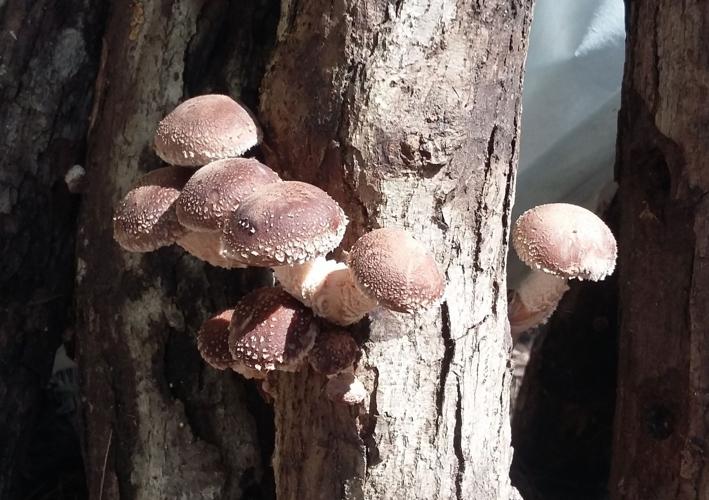
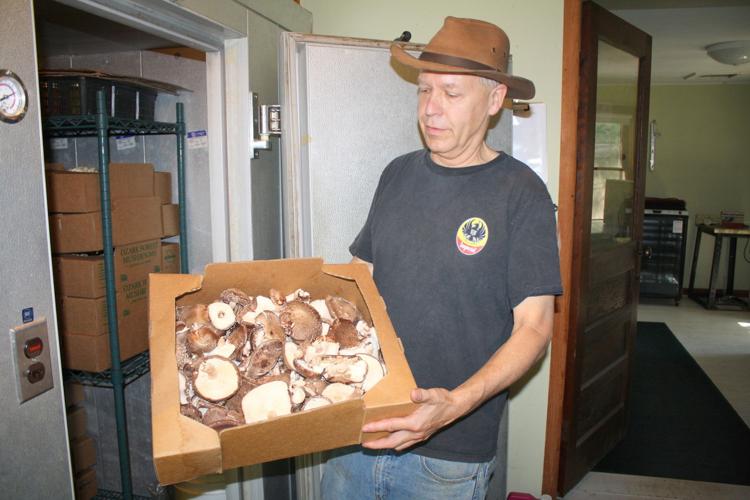
Dan Hellmuth showing off some freshly picked shiitake mushrooms
Deep in the sunken lands along Sinking Creek in Shannon County is one of Missouri’s premier mushroom farms, Timber Farms, The Sinks. Ozark Forest Mushrooms has been in business for 25 years and today sells hundreds of pounds of shiitake and oyster mushrooms direct to restaurants and consumers via several regional farmer’s markets.
Owned and operated by Dan Hellmuth and Nicola Macpherson-Hellmuth, the farm is dedicated to quality and has grown from fungi to also selling bamboo shoots, pestos, pickles and other value-added products, as well as potentially cultivating burgundy truffles in the future.
“The Ozarks is the great place to grow mushrooms because they are a forest product,” Dan says. “Sinking Creek in perfect for us. We have a supply of white oak logs, a pine forest and endless supply of spring water which is always 55 degrees. We thankfully have been able to build a sustainable and self-sufficient operation.”
Dan is a Missouri native who grew up living at the Sinks off and on as a child. Nicola is from the United Kingdom and met Dan while he was studying abroad at England’s Sheffield University.
“The Ozarks is a very wild place with outstanding natural beauty,” Nicola says. “When I first visited I felt like I was traveling to India or Thailand. It seems there’s endless wilderness here.”
The two were inspired to go into business as Ozark Forest Mushrooms after attending an alternative farming conference in Kansas City.
“It really started out as an experiment, but we found there was such a demand from restaurants,” Nicola says. “I enjoy selling to chefs, they are very educated consumers and know the difference between shiitakes grown on oak logs and those grown on sawdust. I’d estimate around 80 percent of our total business is sales to restaurants.”
More than 18,000 white oak logs on which shiitake mushrooms are grown are housed under the shade of a pine forest. Pine forests are required for mushroom production due to a need for a year round canopy.
Andrew Sheeley
Nicola and Dan learned how to grow shiitakes on oak logs based on traditional Japanese techniques and have adapted the method to the Ozarks. They recently returned from a business trip to Japan where they were able to tour four shiitake farms in southern Japan and are experimenting with new techniques. The shiitakes are grown on more than 18,000 white oak logs that are carefully stacked and individually drilled with around 35 holes each to inoculate them with sawdust spawn. The logs are then stored under the shade of a pine forest canopy where the shiitake mycelium colonizes the log over the course of a year.
“What we’re doing is basically converting wood into high quality protein,” Dan says. “The microclimate along Sinking Creek is actually very similar to shiitake cultivation regions in Japan, so we’ve been very successful growing shiitakes.”
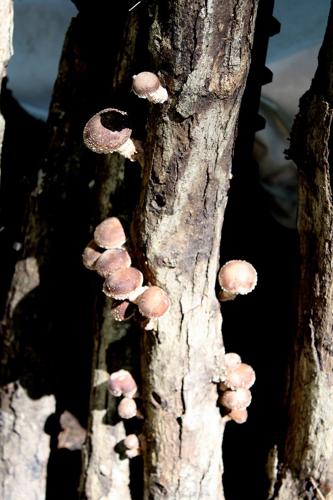
A bloom of oyster mushrooms.
Andrew Sheeley
Oyster mushrooms are also grown at the farm within the humid environment of its greenhouse.
During harvest season, the farm produces 200 pounds of shiitakes and 150 pounds of oyster mushrooms on average per week.
“You could say we are a very big small operation,” Dan says. “Nicola owns the business (Ozark Forest Mushrooms) and has really been the one who’s had the vision and made it all work. She could double the farm’s output now if she wanted to, but it’s already so much work.”
David Enloe, farm manager, and his wife Geraldine, have been instrumental in the success of the operation and do much of the day-to-day work.
“David has been with the farm since he was a teenager. We would not have been able to do any of this without him,” Nicola says.
Among the restaurants which feature Ozark Forest Mushrooms’ pickings are St. Louis’s Schlafly Bottleworks, Annie Gunn’s Smokehouse, Cardwell’s on the Plaza, Harvest and the Ladue Racquet Club, as well as Columbia’s Broadway Brewery and The Wine Cellar. They are also sold at the Tower Grove and Maplewood farmer’s markets in St Louis. For locals looking to sample the mushrooms, your closest option is the Public House Brewery in St. James where they are featured in several dishes, including an Ozark Forest Mushroom Pizza.
One of the most exciting experiments underway at the mushroom farm is the cultivation of burgundy truffles. Truffles are a rare fungus grown within tree roots seldom grown in the United States due to the complex symbiotic relationship between the soil, truffle, tree and surrounding climate. The farm will not find out if they’ve been successful with truffles for another eight years.
Andrew Sheeley
The next big experiment underway at Timber Farms, The Sinks, is the potential cultivation of burgundy truffles. Truffles are a rare primordial fungus that grows underground in the roots of trees. They are widely considered a culinary delicacy, but are seldom grown in the United States due to the complex symbiotic relationship between the soil, truffle, tree and surrounding climate. With help from experts, and funding from an agricultural grant, Nicola and Dan have planted 200 swamp oak saplings, the roots of which have been seeded with burgundy truffle mycelium.
“We won’t know if it’s been successful for another eight years,” Dan says. “Once both the truffle and swamp oak mature they will have a symbiotic relationship and share nutrients with one another. But at first the tree will fight the truffle, so you have to weaken the tree to the point to where it needs the truffle’s help, but not weaken it to the point that it kills the tree and the truffle with it.”
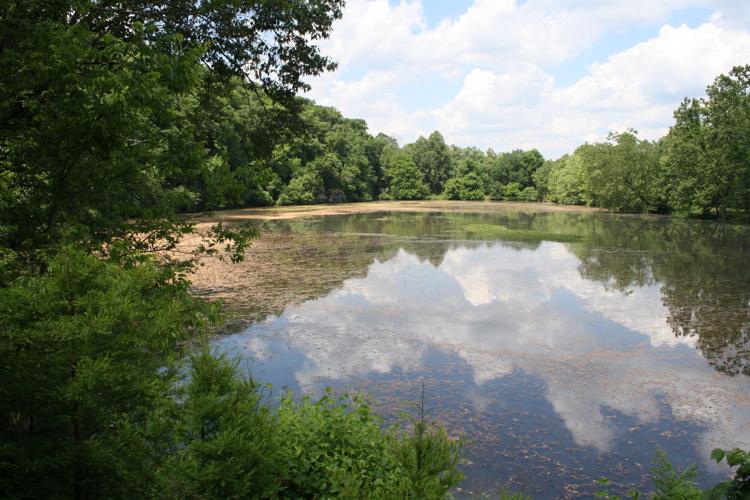
In addition to producing mushrooms and other value-added products, Timber Farms, The Sinks also has agri-tourism opportunities by way of the Beaver Lake Guest House, a secluded stone cabin available to rent for up to six people. The cabin sits on the edge of a beautiful 15-acre, spring-fed lake and is next door to one of the original homesteads on the property that was once the residence of famous local artist L.L. Broadfoot.
“It’s important to embrace agro-tourism, we want people to see what a sustainable organic farm looks like,” Nicola says. “Anyone who stays at the cabin automatically gets a tour of the mushroom farm.”
Dan says Beaver Lake Guest House is featured on the website www.timberfarmsthesinks which links to Airbnb, where reservations can be made. In addition to local guests, they often host an international clientele. In the past the guest-house lodgers have hailed from as far away as China, Italy and France.
The Beaver Lake Guest House is also available to rent overlooking a large scenic spring-fed lake and located next to the former home of local artist L.L. Broadfoot. The guest house was built from stone sourced from the farm and has a unique geothermal heat pump using the lake as a heating or cooling source for the house.
Submitted
Nicola says her hope for the future is to one day open a local farm store from which to sell Ozark Forest Mushrooms and other produce from Timber Farms, The Sinks, as well as to have seasonal Food in the Forest farm dinners.
“I just like to pick things,” Nicola says. “Growing up in England I can remember making jams, syrup and chutneys from all of the blackberries and different things we would pick. I’ve just always loved gardening and want to share the joy of healthy quality food with as many people as I can.”