
by Sneha Mantri, MD, MS, FAAN
(NAPSI)—If you or someone you care about is among the 10 million people worldwide who have been diagnosed with Parkinson’s disease (PD), there are a few facts you should know.
What is Parkinson’s disease (PD)?
PD is a progressive brain disorder that damages dopamine-producing neurons.
Symptoms include tremor, stiffness, slow movement and such issues as depression or sleep problems. Though no cure exists, treatments can help improve quality of life.
Scientists believe a combination of genetic and environmental factors are the cause.
How Can People with Parkinson’s Advocate for Their Needs?
PD appointments can be overwhelming. The Parkinson’s Foundation offers resources to empower people with PD to focus appointments on what matters most to them:
Webpage at Parkinson.org/OptimizingCare
Helpline at 1-800-4PD-INFO (473 -4636)
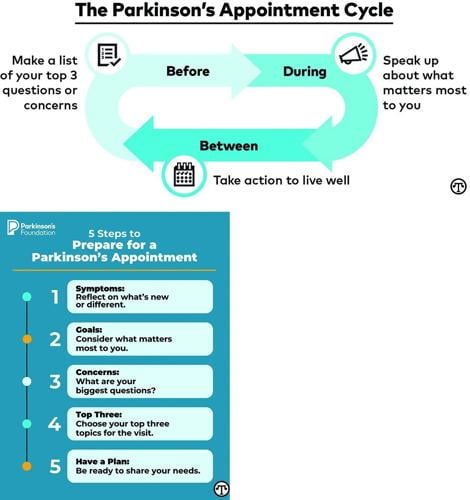
Worksheet: “Steps to Prepare for a Parkinson Appointment,” available on the Parkinson’s Foundation website or in hard copy. It can help guide your thinking about PD-related concerns that may affect your life, work, family, hobbies and safety.
Webinar & Podcast: Also available on the Parkinson’s Foundation website are options to watch and listen. The “Strategies for Meaningful Healthcare Visits” webinar and “Make Every Minute Count” podcast features expert suggestions on how best to prepare before, during, and after a visit with your doctor.
The Parkinson’s Foundation recognizes three challenges that can happen with Parkinson’s healthcare appointments:
1. The limited length of the visit
2. A lack of shared focus with the healthcare team
3. The complexity of PD care and treatment
People living with PD can make the most of visits and be an active partner in their care through self-reflection, education, and advocacy. While the healthcare team may have many years of medical expertise, each person brings their own lived experiences and unique needs.
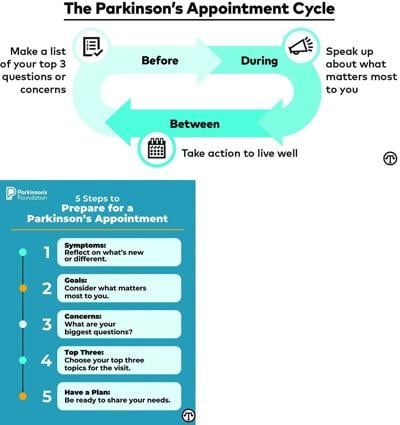
The Parkinson’s Foundation offers resources to empower people with PD to change their approach to PD care through simple steps before, during and between PD appointments.
• Mindful, active preparation for a visit with your doctor is a first step to becoming an active partner.
• Do some holistic self-assessment, to identify any issues with emotional or social wellness, cognition, challenges with daily tasks, and safety.
• During the appointment, be sure to speak up about what matters to you most. Bring a list of your top three appointment topics to every visit.
• Bring a trusted person along. Consider who in your life might play this role, beyond a spouse or care partner. From having another set of ears for the discussion, to helping voice a concern that’s difficult to bring up, the companion can have a great effect on the outcomes of a visit.
• Between visits, focus on what you can do to live well with PD. Review appointment notes, track progress, and stay active.
Dr. Mantri is the Chief Medical Officer of the Parkinson’s Foundation.
Word Count: 452
 "There are simple, achievable steps that people with Parkinson’s disease can take before, during and between doctor appointments to get the most from each visit, advises Dr. Sneha Mantri, chief medical officer of the Parkinson’s Foundation."


