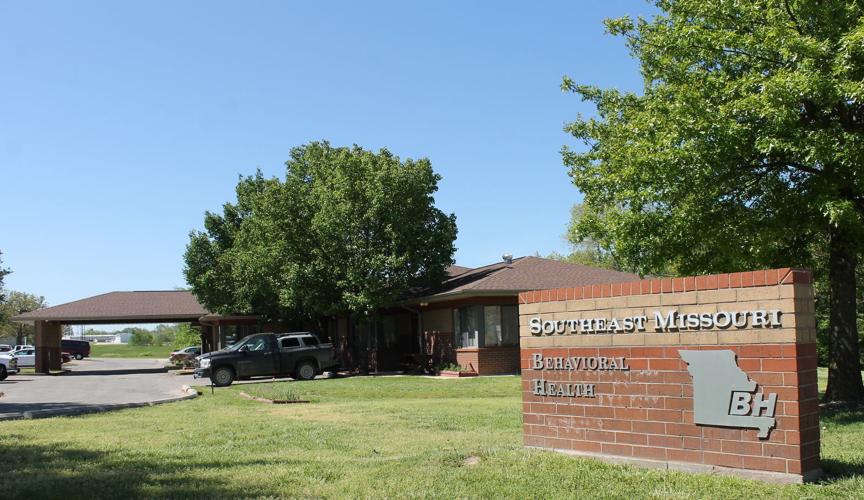
This year marks the 30th anniversary since the Southeast Behavioral Health was locally established as the Salem Treatment Center. In 1986, the institution was first launched with just a handful of employees who fixed up and occupied the former Hart Clinic building downtown next to the old City Hall. Three decades later, the site includes two facilities, more than 90 employees and has helped thousands of clients with substance abuse disorder. The Salem site further acts as the regional headquarters for the organization, from which the operations in several regional counties are coordinated.
“I can’t estimate exact numbers, but we have treated thousands and thousands of clients,” said Southeast Missouri Behavioral Health Chief Executive Officer Jason Gilliam. “Multiple family members and many other people in the community have further been impacted by the care our clients have received. There’s really no telling how many lives have been touched since we first started.”
Gilliam was in Salem Oct. 28 to celebrate the site’s 30th anniversary along with many other officials from the Farmington area and the surrounding counties.
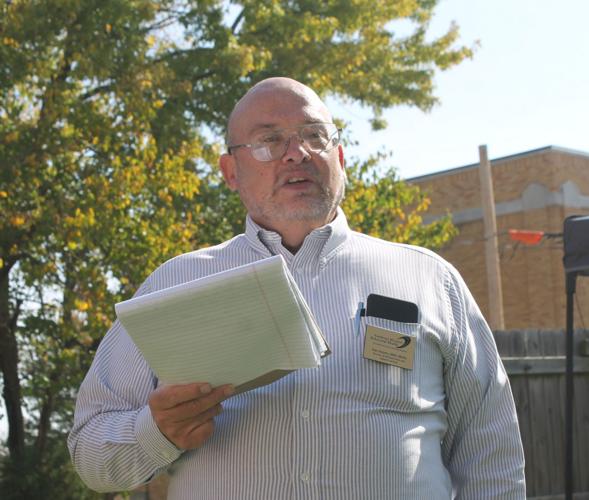
Director of Administrative and Support Services Dan Adams of the Salem Behavioral Health Center addressed the crowd about many of the changes that have unfolded locally since he was first hired.
“I know when I started 28 years ago there were 13 employees,” Adams said. “When we had a Christmas party, everyone would get together at someone’s house and we could fit the whole workforce in a living room. Now it’s hard to find a place in Salem where we can get everybody in. Our growth, and continued impact, is the result of a lot of hard work from people who have been here a long time, and Dr. (Barron) Pratte, who probably couldn’t have dreamed of this reality 30 years ago.”
Adams credited Dr. Pratte, Southeast Behavioral Health Center’s President, as the visionary who originally made the contacts and developed the relationship to locate the regional facility in Salem. Both Adams and Gillam named the City of Salem and surrounding community as excellent partners in founding the site, and acting as stakeholders in fulfilling its mission to help others.
Another VIP who was singled out at the celebration was Drug Court Counselor Steve Richmond, who has been with the Salem site since it first opened. In introducing Richmond, Adams made an unusual thank you.
“One other person I want to thank is Bill Schuchardt, who is a former football coach here,” Adams said. “In summer of 1986, there was a Salem native who graduated from college with a degree in physical education who wanted to go to work and coach at the high school. Well, that didn’t work out. So he came over here and applied, and the rest is history.”
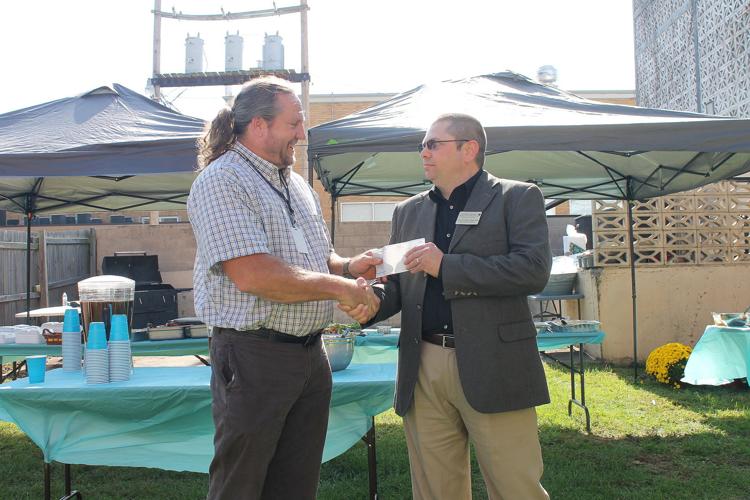
Adams and Gilliam presented Richmond with thanks for his service.
“Our sole purpose for existing is to provide services to our clients. Steve has been an exemplary model of that. We appreciate all of the service and his dedication on behalf of our clients,” Gilliam said.
Richmond kept his speech brief saying, “I just want to say thank you, I am a man of few words.”
Like Adams, Richmond later said many things have changed since he first accepted a position. When he first started, Richmond said there would be two clients in treatment any single day, while today the figure is closer to 30. Richmond also said when he started as a counselor; he used a six-page workbook to guide his efforts, while today there are volumes of research to develop customizable programs to meet each individual client’s specific needs.
“There’s been a lot of positive impact and I’m proud to have been a part of it,” Richmond said. “A lot of lives have changed for the better, that’s the real reward.”
Adams said the next 30 years at the Southeast Behavioral Health Center will likely hold many breakthroughs. Salem is helping pioneer the use of anti-craving medication to treat substance abuse. Telehealth is also being incorporated to better meet the needs of rural clients. A growing network of alumni who have successfully completed treatment in Salem and other sites is further able to increasingly provide an additional layer of support.
“With time we learn more and more about providing effective treatment,” Adams said. “Every individual is different, and their recovery may look different from what has worked for others. The key is finding the right tools. Success for a client may include medication, drug court, narcotics or alcoholics anonymous or faith-based efforts. It could also take multiple attempts for a person to get clean. One thing that is constant, however, is that it takes the hard work and dedication of professionals, that person’s loved ones and the community more broadly to help them find the strength to take control of their lives.”