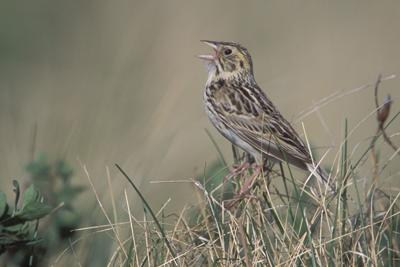
Long before technology became the primary means of measuring bird populations, a handful of conservation-minded folks set out to record and monitor species with their eyes and ears. On Christmas Day in 1900, ornithologist Frank Chapman and 26 others put down their shotguns and picked up their notebooks to launch what we now know as the Christmas Bird Count.
Rooted in the early years of a sweeping conservation movement, the Christmas Bird Count represents a determination to protect rapidly diminishing wildlife populations. The Count was created as an alternative to a tradition of competing to see who could shoot the most birds. As Theodore Roosevelt, Gifford Pinchot, John Muir and others were ushering in the idea of conserving wildlife and wild lands for future generations, contemporaries were joining the cause. The Christmas Bird Count created a boots-on-the-ground conservation opportunity available to all.
Today, 125 years later, the tradition is still going strong. Individuals who share a passion for wildlife are still working collectively through the Audubon network to collect bird data in a grassroots fashion. Then scientists use the data to determine areas of concern for birds and bird habitat. This leads to policy changes for the protection of wildlife. It starts so simple, bird by bird, but is a monumental conservation tool with over a century’s worth of research.
For each annual Christmas Bird Count, volunteers head outdoors for a single 24-hour period to count every bird they can see or hear. The data collected feeds into the longest-running community science project in the world, helping researchers track long-term population trends, migration shifts and the impacts of habitat loss and climate change.
The collected data is segmented by locally organized counts all across North America. Each area is divided into a 15-mile-wide circle, with a volunteer compiler coordinating the date, routes and teams. Participants can count anywhere they wish, from timbered creek bottoms to agricultural fields or wetlands. Others simply watch bird feeders from their kitchen window while enjoying their morning coffee. No matter where one counts, the key is recording every bird you hear or see.
You don’t have to be an expert birder to take part. In fact, beginners are encouraged to participate. Counts are great, because pairing up with experienced birders is the best way to learn. Also, modern apps like Merlin and eBird can help identify species by sight or sound and make compiling data simple. For those who appreciate field guides and books, plenty of printed bird identification options available.
Counting birds is something everyone can participate in and enjoy. If you’re fortunate to have the physical ability to go hiking, then this is a great opportunity to lace up your boots, grab your binoculars, bird identification book or have an app for that, bring along a notebook and a thermos of coffee and hit the woods in search of birds.
If you can’t make it out now, there are local and national bird counts scheduled throughout the year. You don’t have to be registered for an event to go outside and count birds, but it does help science to add your findings to the overall data pool.
At its heart, the Audubon Christmas Bird Count is about participating in and paying attention to nature. It’s an opportunity to step outside in the quiet of winter and notice the natural world around you. The data you collect is contributing to something bigger than your little home area. It’s a piece of a giant ecological puzzle. So, if you’re looking for a meaningful way to spend a winter day, participating in the Christmas Bird Count is a great option.