
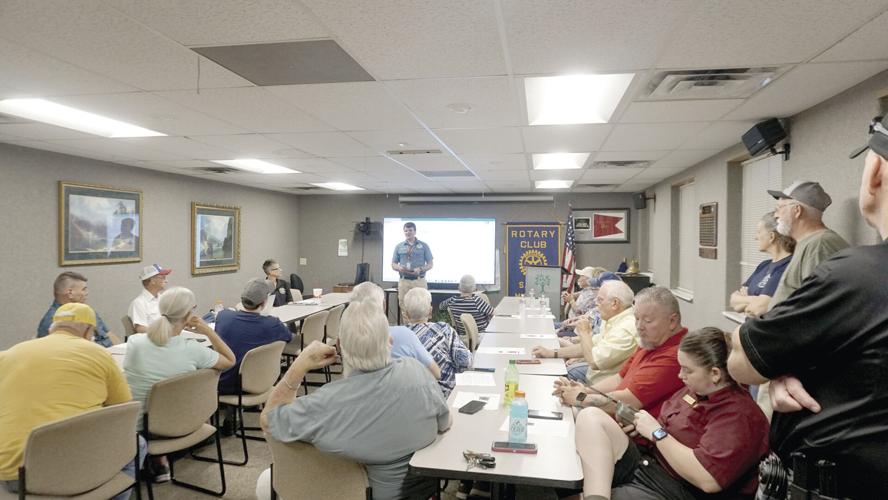
The Dent County Community Watch held a meeting June 17 at 6 p.m. at the Salem Community Center @ the Armory. This group was started in 2019 by Dent County Sheriff Bob Wells, who wanted to tap into the resource of watchful, law-abiding, upstanding members in the community to assist the sheriff’s office with crime prevention and reporting.
At that time, and still today, Wells emphasized the value of having a community-run program with a good structure for reporting crime and suspicious activity.
Watch groups are composed of neighbors to keep an eye on their county roads, subdivisions or neighborhoods.
A neighborhood is defined as two or more houses in close proximity. This can include several homes on the same street or a group of homes in the same general area. There is no set number.
Participants are given a booklet showing how to organize their watch group. Members can display signs showing their area is protected.
Wells divided the county into four geographical sections, with a deputy assigned as the contact person for the people that live in each corner of the county.
The June 17 meeting centered around three primary aspects.
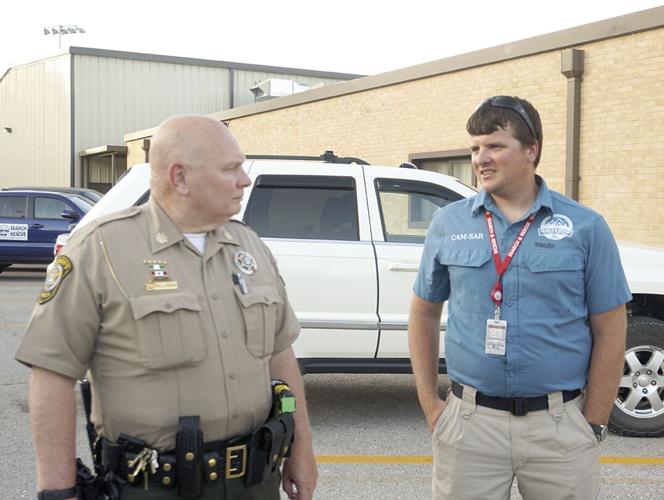
One was a discussion centered around methods that can be legally employed by citizens to protect their areas without slipping into their own legal quandaries, such as what situations are and are not appropriate for lethal force. Wells and Major Len Pabin both emphasized the importance of remembering that being a part of this crime watch group does not give residents the same authority as law-enforcement officers.
Another important item discussed at the meeting was an app that Josh Schisler, the founder of AlertL.ink presented called mo.watch, which is designed to crowdsource searches during AMBER Alerts.
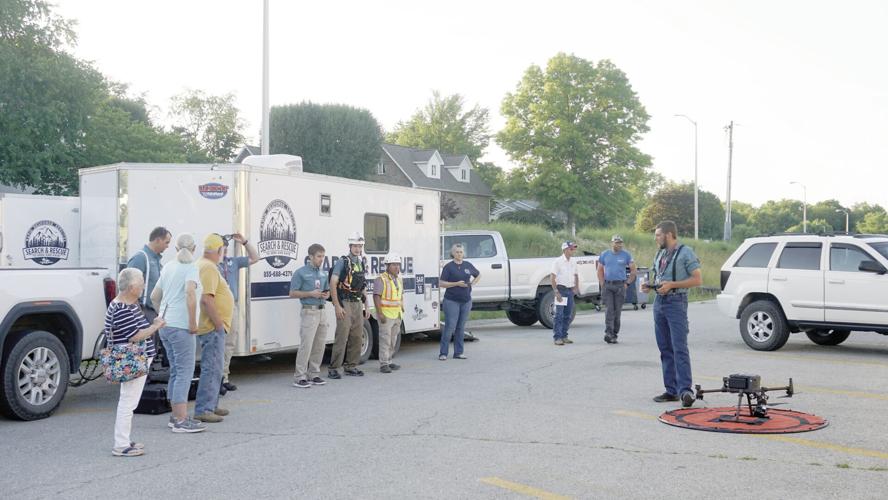
Also present at the meeting was a group of men who belong to a search and rescue team funded by Christian Action Ministries. Their team is designated as SAR Missouri. It’s one of several teams in nine states that have taken a more literal approach to the biblical idea “to seek and save the lost”.
SAR started in 2016 and Missouri’s team began in March 2019. Ever since, they’ve been volunteering their time and expertise to assist local emergency services in finding the lost and missing.
Its services are funded entirely by donations and cost to the recipients. The Missouri team consists of 30 members dedicated to “helping to locate and rescue lost persons while providing stability and support to distressed loved ones,” according to the SAR website.
SAR is not typically the first on the scene when someone goes missing, but comes as support to relieve volunteer searchers who may have already been searching hours or days to find a missing person.
Martin discussed the ways that their trainings and equipment enable them to help find lost people.
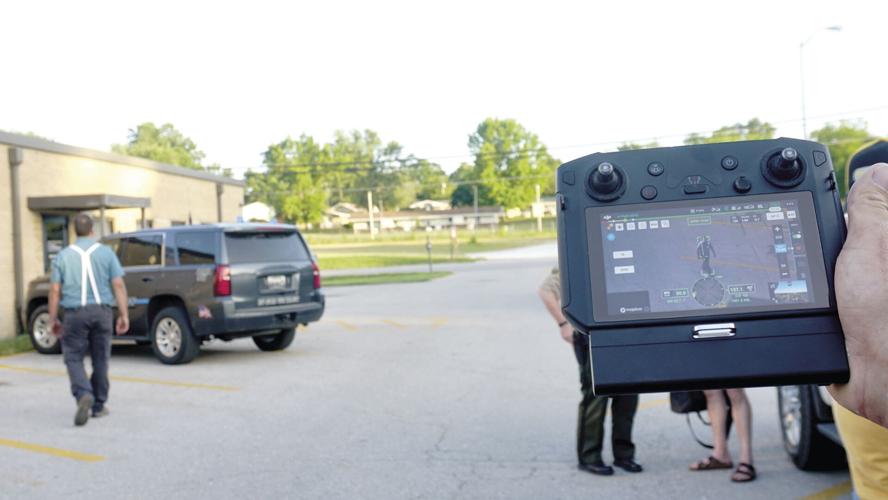
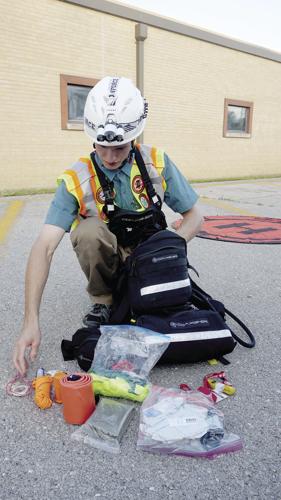
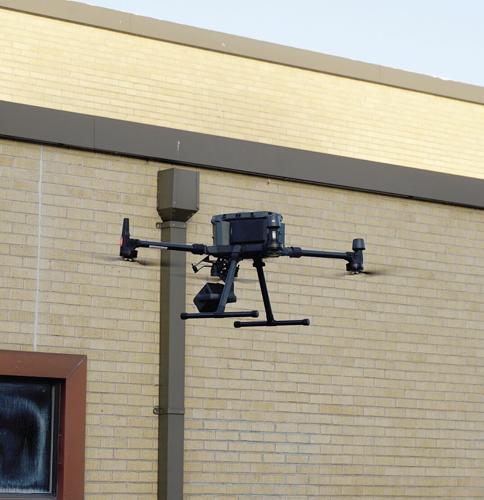
They provide incident command, conduct wilderness grid searches, take down detailed records with GPS mapping and tracking (especially important for ongoing searches), supply management and coordination of civilian volunteers. Each team member is required to complete and maintain a minimum level of training certifications including CPR, wilderness first aid, ICS 100 and 700, and an extensive search and rescue course.
Many have SARTECH II and numerous others certifications.
They aim to be the link between the missing person and the EMS/law enforcement officials by assisting at any level, from simply providing more boots-on-the-ground to conducting complete search operations.
“We aspire to share God's love and care [for] distressed persons through our practical support and efforts,” states their website.
To learn more about SAR visit https://camsearchandrescue.com/about/.


