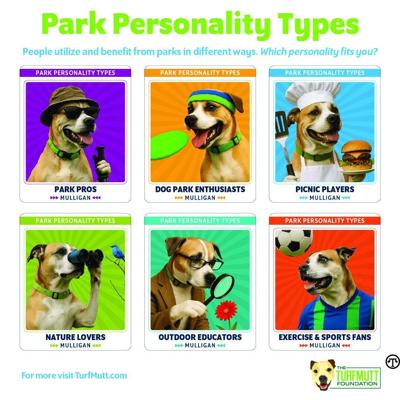
(NAPSI)—While most people think of parks as just scenery, they are also a silent powerhouse of public health, says the TurfMutt Foundation, which advocates for outdoor living and the care and stewardship of yards and parks.
“From backyard sanctuaries to sprawling community commons, green spaces are engines that fuel our mental health, physical well-being, public safety, and economic development,” explains Kris Kiser, President of the TurfMutt Foundation.
Parks are environmental superheroes, too. They support pollinators, produce oxygen, reduce carbon, capture and filter rainwater, and mitigate urban heat islands.
According to research conducted for the TurfMutt Foundation by The Harris Poll, the data is clear. Americans aren’t just visiting parks; they are prioritizing them.
- 89% of Americans say a good park system is a top community amenity
- 96% use parks and green spaces for recreation
- 92% want more or better-maintained public green spaces
- 75% say public parks are a deciding factor when choosing a new home
As it looks toward the future of parks and landscapes, the TurfMutt Foundation has identified shifts defining how people live outside.
The 365-Day Landscape. Homeowners are rejecting a one-season yard or park. To maximize their investment and enjoyment, the “backyarding season” now spans all four quarters.
Right-Sized, Purpose-Driven Zones. Every square foot of the yard must have a function—from living walls and container gardens in small spaces to outdoor living zones and hobby farms on bigger properties.
Precision Tech-Guided Gardening. Guided by AI and data, homeowners use smart apps to create hyper-local, personalized yard care plans.
Backyard “Barkitecture.” Pets are now primary stakeholders in both backyard and park design with a rise in “paw-friendly” grasses and dog-centric elements that blend seamlessly with a home or community’s aesthetic.
Pocket Forests & Personal Mini Parks. Inspired by urban ecology, homeowners are becoming micro-conservationists, creating mini-parks in their backyards that link their home turf to the greater regional ecosystem.
“Prosumer” Purchases. Reflecting a new “prosumer” mindset, homeowners are investing in professional-grade tools that offer high-performance power that are easier than ever to use.
You don’t have to be a city planner to make a difference. Every tree planted, every pollinator-friendly garden started, and every lawn responsibly maintained helps the TurfMutt Foundation in its mission to save the planet, one yard at a time.
Ready to be the hero for your own patch of green? Visit TurfMutt.com to find the tools, tips and inspiration to create your own personal park.